Source Eco Friendly WPC Fence Panel for Garden Privacy and Outdoor Use
Find 30 Eco Friendly WPC Fence Panel options for garden privacy, outdoor decoration, and area division. Compare features like waterproofing, wood grain texture, and aluminum posts to select the right solution for your project.
Key considerations
Products List


Eco Wood Plastic WPC Fence Durable Composite Fence Panel Suitable for Outdoor Garden Usage
$25.00 - $30.00
MOQ: 100 Square Meters

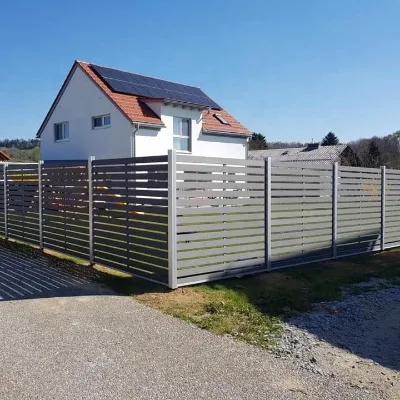
Eco Friendly WPC Garden Fence Weather Resistant Composite Fence Panel for Villa Landscape
$25.00 - $30.00
MOQ: 100 Square Meters


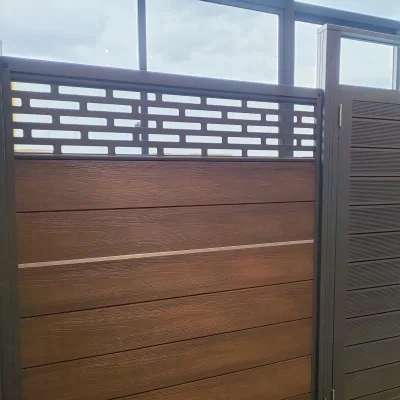
Eco Friendly WPC Fence Panels with Natural Wood Grain Surface Finish
$3.39 - $3.79
MOQ: 10 Square Meters




Comprehensive Sourcing Guide
Eco Friendly WPC Fence Panel Sourcing Guide
Product Scope and Observed Listing Signals
The market for eco-friendly WPC (Wood Plastic Composite) fence panels is characterized by a blend of aesthetic appeal and functional durability, primarily targeting outdoor residential and commercial landscaping projects. Based on observed listing signals, these products are frequently marketed with attributes such as "privacy," "modern style," and "wood grain" textures, which cater to buyers seeking the natural look of timber without the associated maintenance burdens. The core material composition often cited involves a mix of wood fibers, high-density polyethylene (HDPE), and additives, resulting in a product that is both renewable and rot-proof. This composition supports the "eco-friendly" claim by utilizing recycled materials and reducing the demand for virgin timber, a key consideration for sustainable procurement strategies.
Buyers should note that while the term "eco-friendly" is prevalent, the specific environmental credentials vary significantly across suppliers. Observed data indicates that many listings highlight features like being waterproof, anti-static, and soundproof, which enhance their utility in garden decoration and area division. The visual presentation often includes brown color options, with some suppliers offering customization to adjust colors according to specific project requests. However, the "eco" aspect must be verified through concrete documentation rather than marketing language alone, as the presence of plastic components means the environmental impact depends heavily on the sourcing of raw materials and the end-of-life recyclability of the composite.
Technical Specifications to Verify
When evaluating WPC fence panels, the physical dimensions and structural integrity are paramount for ensuring compatibility with existing fencing systems or new installations. Observed specifications reveal a wide range of sizes, with common panel dimensions such as 1800x1800 mm and standard heights like 6 feet by 6 feet. Thickness is a critical variable, with observed values including 20mm profiles, which generally offer better rigidity and wind resistance compared to thinner alternatives. Buyers must verify the exact width and thickness requirements for their specific application, as these dimensions directly influence the number of posts and rails needed, thereby affecting the overall structural stability and material cost of the project.
The material composition and finishing processes also require close scrutiny to ensure long-term performance. While many products are described as having an aluminum post material or frame, the panel itself is typically made from WPC, which may be coated or uncoated. Some listings specify a "not coated" finish, while others mention surface treatments that may include protective layers against UV radiation or moisture. Additionally, the assembly mechanism is a key technical factor; products described as "easily assembled" often feature interlocking designs or pre-drilled holes, which can significantly reduce installation labor costs. Buyers should confirm whether the panels are designed for direct ground insertion or require a specific framework, as this impacts the complexity of the installation process.
Compliance and Safety Documentation
Certification plays a vital role in validating the quality and safety of WPC fence panels, particularly for projects that must adhere to strict building codes or sustainability standards. Observed listings frequently mention certifications such as CE, ISO, ASTM, SGS, and Intertek, which indicate that the products have undergone various testing procedures for performance and safety. The CE mark, for instance, suggests compliance with European health, safety, and environmental protection standards, while ISO certifications often relate to quality management systems. Buyers should request copies of these certificates to verify their validity and ensure they cover the specific product models being purchased, as certifications can sometimes be generic rather than product-specific.
Environmental standards are another crucial aspect of compliance, especially for buyers prioritizing sustainable sourcing. Some suppliers reference environmental standards such as "E" class ratings, which relate to formaldehyde emissions, although this is more commonly associated with wood-based products than composites. It is essential to clarify what these standards actually measure in the context of WPC, as the primary environmental concern often lies in the recyclability and the absence of toxic additives. Buyers should inquire about the specific environmental claims made by the supplier, such as the use of renewable sources or the recyclability of the material, and ask for supporting data or third-party verification to substantiate these claims.
Cost Drivers and Commercial Terms
The pricing of WPC fence panels is influenced by several factors, including material composition, customization options, and order volume. Observed price ranges vary widely, from as low as $1.8 to as high as $500 per unit, reflecting differences in quality, size, and feature sets. The minimum order quantity (MOQ) also varies, with some suppliers offering MOQs as low as 1 piece, while others require orders of up to 500 pieces. Buyers should consider the total cost of ownership, which includes not only the unit price but also shipping, installation, and maintenance costs, as WPC panels are generally low-maintenance compared to traditional wood.
Customization is a significant driver of cost, with many suppliers offering tailored solutions for color, size, and design. While standard products may be more cost-effective, customized orders often incur additional charges for tooling, setup, and material waste. Buyers should also pay attention to packaging terms, as some suppliers use regular packaging while others offer customized packaging to protect the panels during transit. The inclusion of free samples for regular products can be a valuable tool for evaluating quality before committing to a large order, but buyers should clarify any potential shipping or handling fees associated with these samples.
Supplier Qualification and Quality Control
Selecting a reliable supplier is critical for ensuring consistent quality and timely delivery of WPC fence panels. Buyers should prioritize suppliers who are manufacturers rather than traders, as this often ensures better control over the production process and quality assurance. Observed data indicates that many suppliers are located in China, with specific regions like Zhejiang and Anhui being common origins. Buyers should verify the supplier's business type and production capabilities, including their ability to handle customized orders and their experience in exporting to the target market.
Quality control measures should be a key part of the supplier evaluation process. Buyers should inquire about the supplier's quality management systems, including their adherence to ISO 9001 standards, and ask for details on their inspection processes. It is also important to check the supplier's warranty policies, with some offering limited guarantees of up to 10 years, which can provide peace of mind regarding the product's durability. Buyers should also consider the supplier's customer service capabilities, such as 24/7 support, which can be valuable for resolving issues quickly and efficiently.
Long-Term Procurement Checks
Sustainable procurement practices require ongoing monitoring and evaluation of suppliers to ensure they continue to meet environmental and quality standards. Buyers should regularly review supplier performance metrics, including delivery times, product quality, and responsiveness to issues. It is also important to stay updated on changes in environmental regulations and industry standards, as these can impact the compliance requirements for WPC fence panels. Buyers should encourage suppliers to provide regular updates on their sustainability initiatives, such as improvements in material sourcing or production efficiency.
Long-term relationships with suppliers can offer benefits such as better pricing, priority production, and collaborative innovation. However, buyers should maintain a diversified supplier base to mitigate risks associated with supply chain disruptions. Regular audits and site visits can help verify that suppliers are adhering to their stated quality and environmental commitments. By maintaining a proactive approach to supplier management, buyers can ensure a steady supply of high-quality, eco-friendly WPC fence panels that meet their project requirements and sustainability goals.
FAQs
What materials are used to make these eco friendly wpc fence panels?
The panels are primarily made from Wood Plastic Composite, specifically a blend of 60% wood, 30% HDPE, and 10% additives. This composition ensures the product is waterproof, rot-proof, and sourced from renewable materials for long-term outdoor durability.
Can I get custom sizes for the WPC privacy fence panels?
Yes, customization is available for the fence panels to meet specific project requirements. While standard dimensions like 1800 by 1800 mm exist, manufacturers can adjust sizes and colors according to buyer requests, including options for regular or customized packaging.
Which certifications do these WPC fence panels typically hold?
These panels commonly hold CE, ISO, ASTM, and SGS certifications to ensure quality and safety standards. Some products also feature Intertek verification, confirming they meet international requirements for environmental standards and material performance in outdoor applications.
How long is the warranty period for the WPC fence panels?
The product typically comes with a limited 10-year guarantee covering structural integrity and performance. This warranty reflects the material's resistance to rot, water damage, and weathering, ensuring reliable service for garden decoration and area division over a decade.
What is the minimum order quantity for these eco friendly fence panels?
The minimum order quantity ranges from 1 to 500 units depending on the specific supplier and customization needs. Buyers can often find flexible options starting from single units for samples or larger batches for full project installation requirements.
Are these WPC fence panels suitable for outdoor garden use?
Yes, these panels are explicitly designed for outdoor usage in gardens and decorative areas. They feature waterproof, anti-static, and thermal insulation properties, making them ideal for privacy fencing and dividing garden spaces while resisting environmental wear.